
section heading hidden

Our Latest News

Article
- Home
- Blog
- By Building a daily cleaning routine for guest bedrooms
- Comments 35
- 16 Nov 2026
The House Always Wins? A Player's Guide to Modern iGaming
Walk into any casino in Macau, Las Vegas, or Monte Carlo and you'll notice something immediately: the chairs are comfortable, the drinks are free, and the carpets are deliberately busy. Nothing there is an accident. Every square foot is engineered to keep you seated, spending, and believing the next hand is the one. Online, the engineering is even more sophisticated - it's just invisible. So whether you're spinning slots at 2 a.m. or grinding a poker tournament on your lunch break, understanding the machinery behind the games is the difference between entertainment and an expensive lesson.
This isn't a lecture about quitting gambling. It's the opposite: a practical, honest guide to navigating the iGaming world like someone who actually knows what they're doing.
Why the Odds Are Not a Conspiracy (But They're Not Fair Either)
Every casino game carries a house edge. That's not a scam; it's the business model. The edge is simply the mathematical advantage the operator holds over the player across thousands of bets. Here's roughly what it looks like across the most popular verticals:
- Blackjack (basic strategy): 0.5% house edge - one of the fairest bets in the building.
- Baccarat (banker bet): 1.06% edge - boring to watch, brutal to argue with.
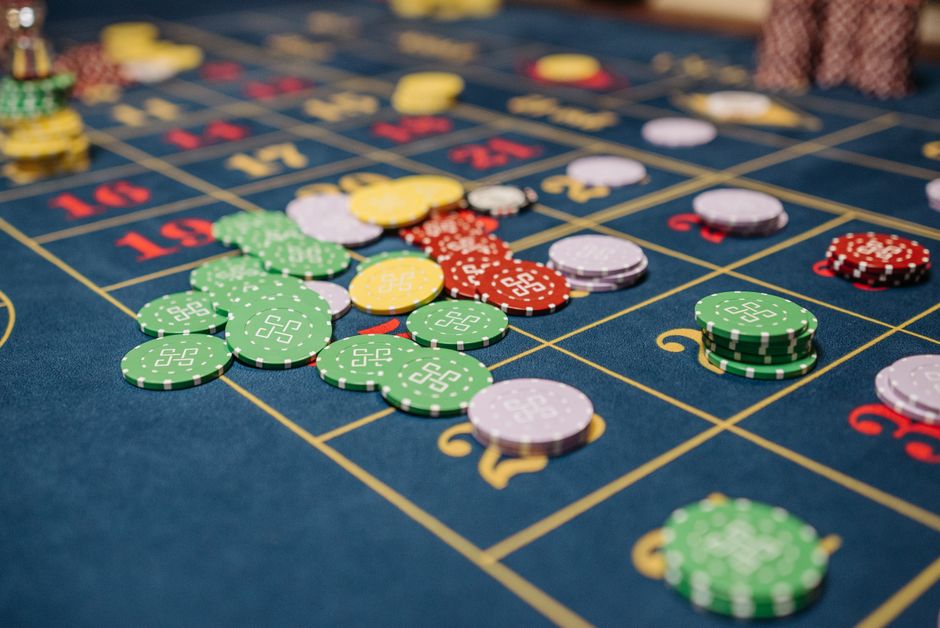
- European roulette: 2.7% edge; the American double-zero wheel nearly doubles it to 5.26%.
- Slots: Typically 2% to 10%, depending on the machine and jurisdiction.
- Poker (cash games): No house edge at all - just a rake of usually 2.5% to 10% of the pot.
If you take nothing else from this article, take this: the house edge doesn't care about your feelings, your birthday, or your "lucky" machine. What it does mean is that short sessions have wild variance. You can genuinely win on a Tuesday night. Just don't confuse a hot streak with a strategy.
Slots: Where the Real Money Is Made (and Lost)
Slots are the engine of the entire iGaming industry, generating roughly 60% to 70% of casino revenue in most regulated markets. They're also the most misunderstood. Modern video slots don't operate on physical reels - they use random number generators that calculate outcomes thousands of times per second. The spinning animation is theater.
Three numbers matter on any slot's paytable or info screen:
- RTP (Return to Player): The percentage of all wagered money returned over millions of spins. A 96% RTP slot loses 4 cents per dollar on average. Online slots typically beat land-based ones (94-97% vs. 85-92%).
- Volatility: Low volatility pays small and often; high volatility pays rarely but potentially huge. High volatility is where people blow budgets fast chasing a jackpot.
- Max win: Some slots cap at 5,000x your stake, others at 50,000x. Bigger caps usually mean lower hit frequency.
A practical tip: set your session budget as a specific number and divide it by at least 100 spins. If you're playing $1 spins, you need $100 minimum to survive normal variance. Playing $5 spins on a $100 bankroll is a two-minute experience, not a session.
Poker Is Not Gambling in the Traditional Sense
Here's where the sharpest players separate themselves. Poker is a skill game with a gambling wrapper. The rake takes a cut, sure, but your profit comes from other players' mistakes - not from beating the house.
The modern online poker ecosystem is tough. Solver software and AI training tools have compressed the skill gap at mid and high stakes dramatically. If you're starting out:
- Play micro-stakes ($0.01/$0.02) until you've logged at least 50,000 hands. Yes, really.
- Track everything. Free tools like hand histories and basic HUDs are non-negotiable.
- Study tournaments separately from cash games. They're completely different disciplines.
- Bankroll rule of thumb: 20 buy-ins for cash games, 100 for tournaments.
The romantic version of poker - bluffing your way to glory - is mostly fiction. The winning version is grinding, reviewing, and exploiting player tendencies. We found xoilactv to be a handy reference here.
Betting Markets Have Gotten Sharper, Not Softer
Sports betting has exploded globally, and with it, the sophistication of odds. Closing lines at major books are now incredibly efficient thanks to algorithmic pricing. Finding value means either beating the closing line consistently or exploiting niche markets - lower leagues, player props, or live in-play moments where books are still calibrating.
Three things recreational bettors get wrong:
- Chasing parlays for the big payout. Each leg multiplies the house edge.
- Betting with your heart. Your team is not a value pick.
- Ignoring the vig. A -110 line means you need to win 52.4% of bets just to break even.
If you're serious, keep a spreadsheet. Track your units, your closing line value, and your ROI over at least 500 bets. Anything less and you're guessing at your own skill level.
The Fine Print That Actually Matters
Regulation exists for a reason. Licensed operators (check for MGA, UKGC, or local regulator seals) are audited, must publish RTPs, and process withdrawals within stated timeframes. Unlicensed sites can change the rules mid-spin and disappear with your balance.
Also: bonus terms are where operators bury the real edge. A "100% up to $500" offer often carries 40x wagering requirements. That means you must bet $20,000 before withdrawing a $500 bonus. Read the T&Cs before you deposit - not after.
Finally, set time and money limits inside your account before you start playing. Every reputable platform offers them. Using them isn't weakness; it's the same logic as putting your phone in another room while you work.
The Bottom Line
iGaming is entertainment with a cost. Treat it like a night out - you budget for dinner, drinks, and a show, and you don't expect the restaurant to refund your meal because you didn't like the appetizer. The players who last are the ones who understand variance, respect the math, and never wager money they can't afford to lose without a second thought. Everyone else is just funding the carpets.
Share:

Preparing your guest house for a cosy autumn stay
Good bedding can transform a simple guest room. Consider natural fibres, seasonal layers and easy-care fabrics that feel comfortable for every visitor.
5 Comments
-

Robert Sonny says Jul 21, 2024 at 10:00am
I must explain to you how all this mistaken idea of denouncing pleasure and praising pain was born and I will give you a complete account of the system
Reply-

John Abraham says Jul 21, 2024 at 10:00am
I must explain to you how all this mistaken idea of denouncing pleasure and praising pain was born and I will give you a complete account of the system
Reply-

Robert Sonnysays Jul 21, 2024 at 10:00am
I must explain to you how all this mistaken idea of denouncing pleasure and praising pain was born and I will give you a complete account of the system
Reply
-
-
-
Robert Sonny says Jul 21, 2024 at 10:00am
I must explain to you how all this mistaken idea of denouncing pleasure and praising pain was born and I will give you a complete account of the system
Reply
Leave a reply

Trending Topics
Popular Post
14 Sep 2026
Setting house rules that still feel welcoming

11 Sep 2026
Keeping linen fresh in a damp Scottish climate


How We Can
Help You!
Guests often enjoy a gentle walk before breakfast. Share quiet lanes, nearby paths and practical advice about footwear, weather and local landmarks.
Contact Us
There are many variations of passages of No rushing, no fuss — just thoughtful notes and practical help, written by people who care.
Important Link
Recent Post
-
Baking easy morning rolls for breakfast guests
29 Aug 2026 -
Serving coffee that suits different guest tastes
23 Aug 2026
Newsletter
Many desktop publi’s shing packages web page editors now is use sites.
Copyright © 2026 Hearth and Thistle. All rights reserved.Hearth and Thistle.